If you are thinking about selling your Chesapeake home, the work you do before the listing goes live can shape your price, your timeline, and the kind of offers you attract. In a market where homes are spending a median of 26 days on market and the sale-to-list price ratio is sitting at 100%, buyers are still paying attention to condition, presentation, and price. A little planning now can help you avoid rushed decisions later. Let’s dive in.
Start With Chesapeake-Specific Strategy
Not every part of Chesapeake moves the same way, which is why your listing plan should never rely on citywide averages alone. Recent neighborhood-level median listing prices ranged from about $309,000 in South Norfolk to about $545,000 in Great Bridge, with other areas like Deep Creek, Western Branch, and Greenbrier landing in between.
That matters because buyers compare your home to nearby options first. A pricing and prep plan for a newer home in Grassfield may look different from a historic property in South Norfolk or a more rural property in Southern Chesapeake. The goal is to position your home against the homes buyers are actually cross-shopping.
Bring In Your Agent Early
One of the smartest things you can do before listing is talk with your agent before you spend money on updates. This helps you sort out which improvements may help your sale, which repairs should be handled now, and which items may be better reflected in the price.
This early planning step is especially helpful if you are balancing a move, work schedules, family logistics, or relocation timing. Cape & Coast Real Estate Group takes a friend-first approach, which can make the process feel more manageable from day one. Clear guidance at the start often prevents costly guesswork later.
Review Pricing Before You Prep
Chesapeake’s March 2026 market data showed a median listing price of $439,200, while Redfin reported a median sale price of about $398,000. Those figures are measuring different things, but together they point to an important truth: buyers are watching value closely.
If a home is overpriced at launch, it can lose momentum while newer listings feel fresher. Before you commit to repairs, staging, and photography, review recent local comparables, your home’s condition, and any deferred maintenance that may affect value. A strong list price should reflect your specific neighborhood, not just the city as a whole.
Tackle Repairs With a Clear Plan
A pre-sale inspection is not required, but it can help you spot issues before a buyer does. Common areas reviewed often include the roof, structure, plumbing, electrical, HVAC, fireplaces, insulation, ventilation, and possible health-related concerns.
Even if you do not plan to fix every issue, it is still wise to get estimates for major repairs. Buyers usually factor visible or known issues into their offers. When you understand likely costs up front, you can make more confident decisions about what to repair, what to disclose, and what to price accordingly.
Focus on High-Impact Repairs
You do not need to renovate everything before you sell. In many cases, the best return comes from handling the issues that buyers notice quickly or that raise concerns during inspections.
Focus first on:
- leaking faucets or plumbing concerns
- HVAC or electrical issues
- roof problems or signs of water intrusion
- damaged flooring or walls
- broken hardware, fixtures, or doors
- deferred maintenance that makes the home feel uncared for
Small problems can make buyers assume bigger ones are hiding underneath. A well-maintained home tends to feel more trustworthy.
Clean, Declutter, and Simplify
If you only have time for a few things, start here. According to NAR’s 2025 staging report, the most common recommendations from agents were decluttering the home, cleaning the entire home, and improving curb appeal.
Deep cleaning and decluttering make rooms feel larger, brighter, and easier to understand online and in person. Buyers want to picture their life in the home, and that gets harder when counters are crowded, closets are overstuffed, or personal items dominate each room.
Prioritize the Rooms Buyers Notice First
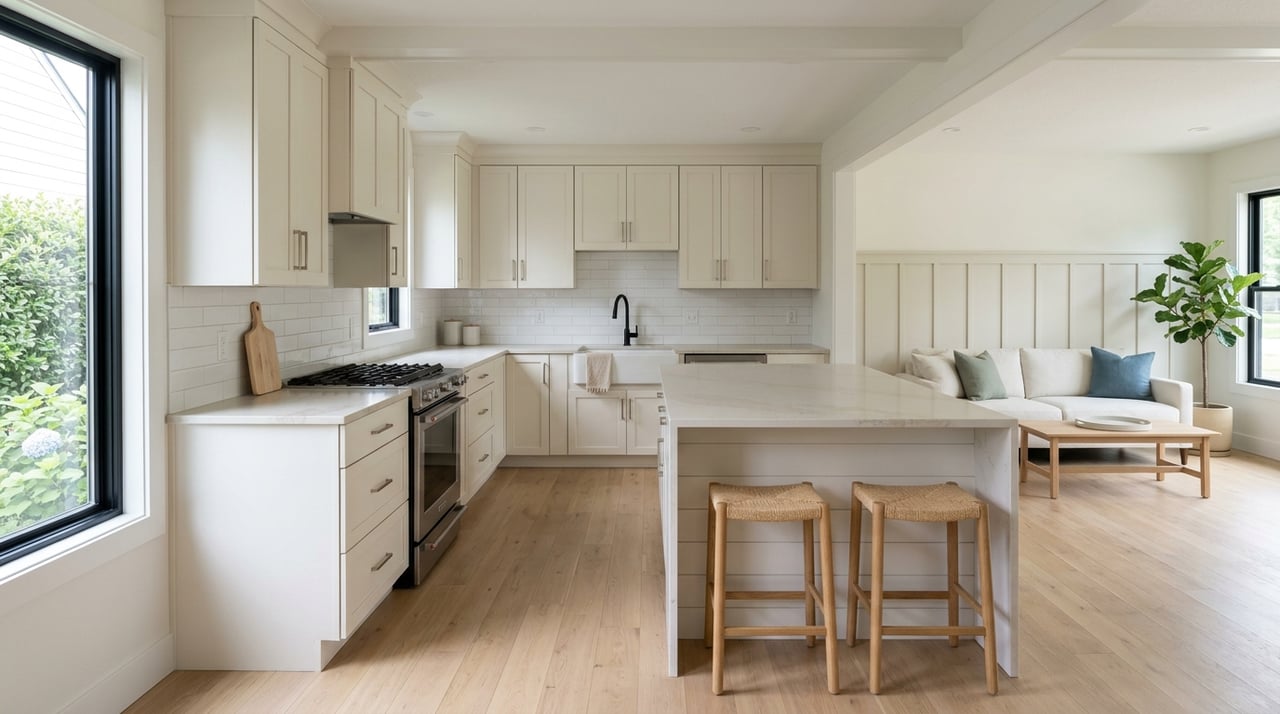
NAR reported that buyers see the living room as the most important room to stage, followed by the primary bedroom and kitchen. Sellers also most often stage the living room, primary bedroom, dining room, and kitchen.
Before listing, spend the most energy on these spaces:
- living room
- primary bedroom
- kitchen
- bathrooms
- entry areas
- dining room if your layout includes one
Clean windows, carpets, lighting fixtures, and walls. Remove excess furniture if rooms feel tight. Store away personal photos, paperwork, and everyday clutter so the home feels calm and move-in ready.
Boost Curb Appeal Before Photos
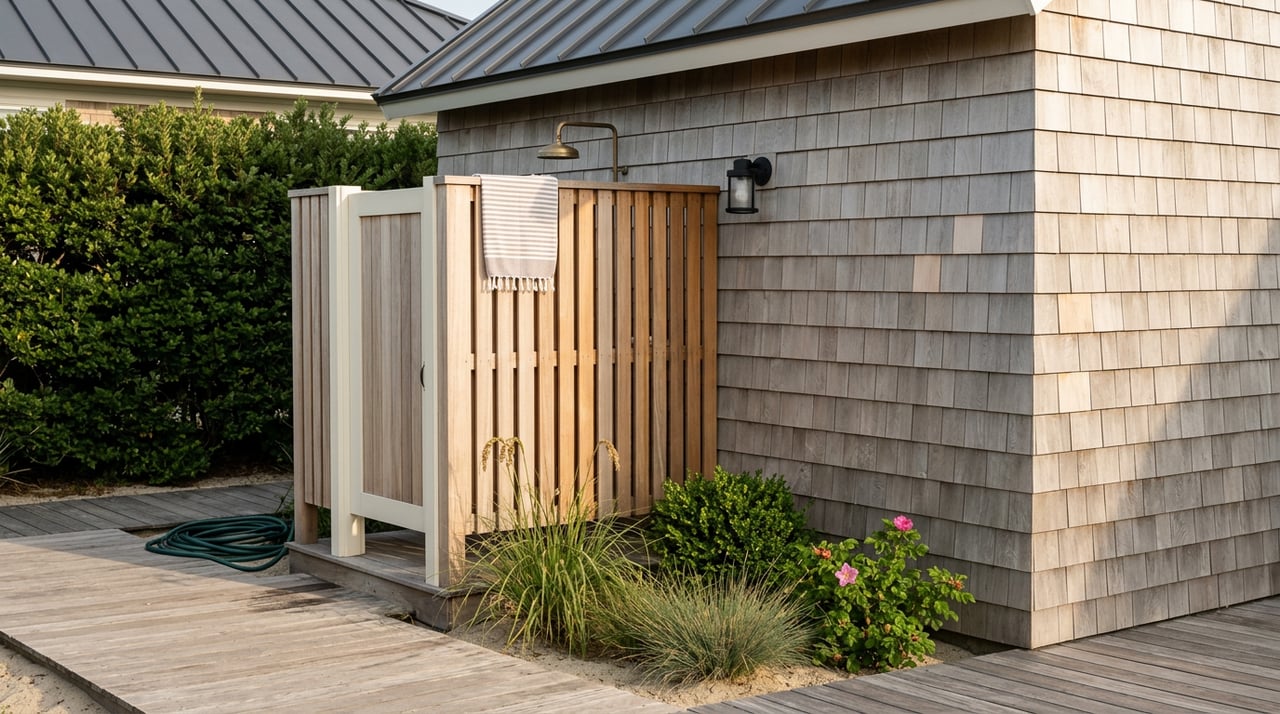
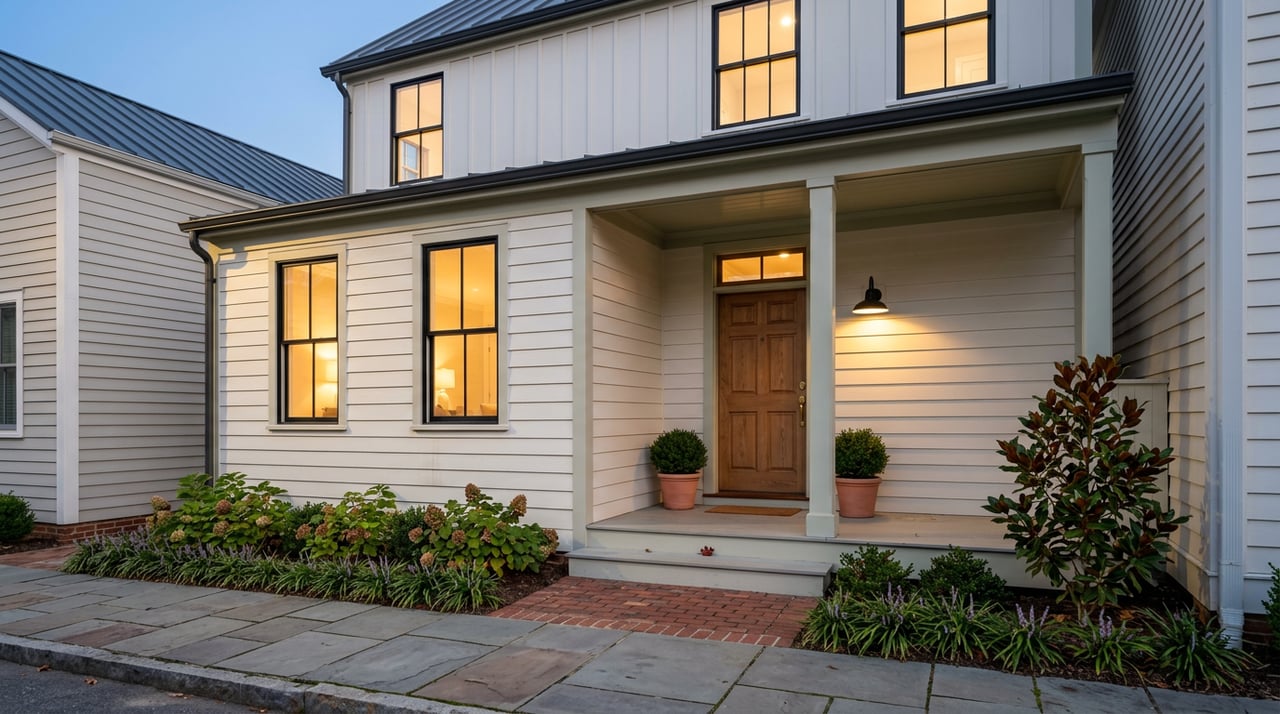
Your exterior sets the tone before buyers ever open the front door. In Chesapeake, where neighborhoods range from established historic areas to newer planned communities and more rural settings, exterior presentation should fit the home’s surroundings while still feeling clean and cared for.
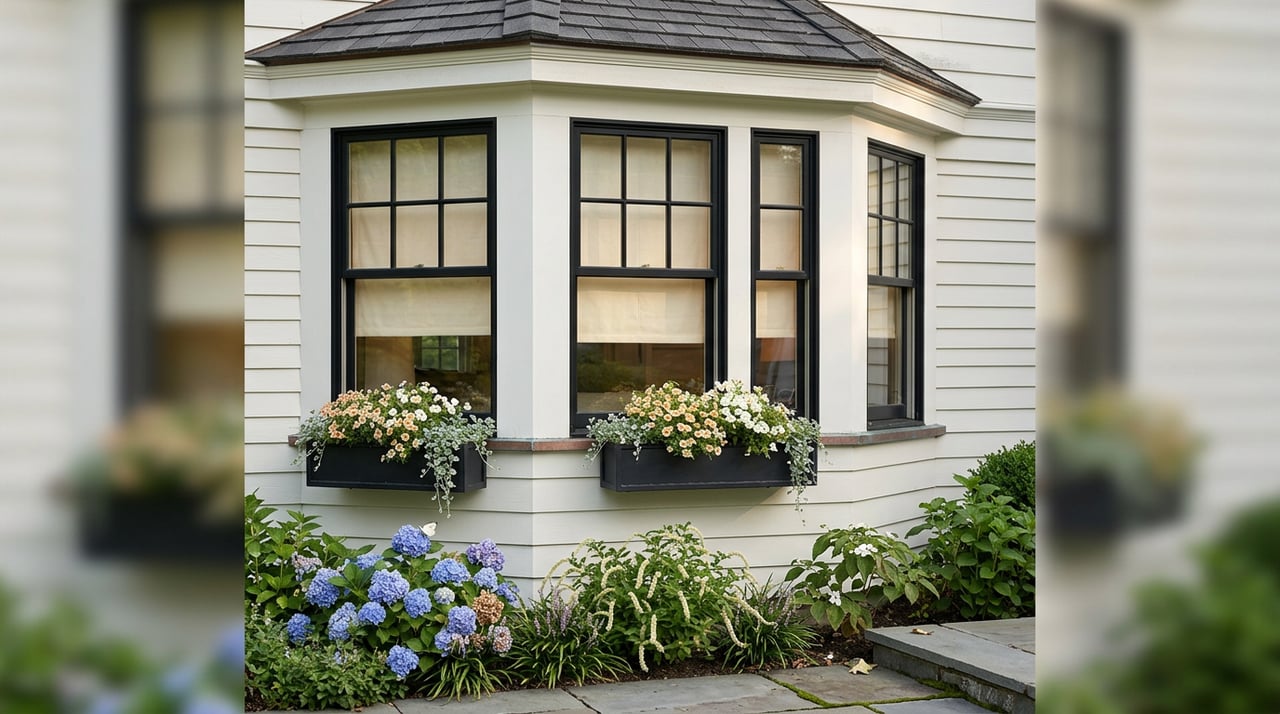
Simple updates often go a long way. Fresh mulch, trimmed landscaping, a tidy porch, a clean front door, and touched-up paint can make a strong first impression without turning into a major project.
Check Local Approval Rules First
Before you make exterior or structural changes, make sure you understand any local review or approval requirements. Chesapeake’s zoning administration handles zoning compliance, setbacks, and accessory-structure questions, and the city lists fences, sheds, landscaping, and similar items among common zoning topics.
If your home is in a planned development, there may also be an Architectural Review Committee involved before city review. If your property is in South Norfolk’s historic district, exterior changes visible from a public street may require a Certificate of Appropriateness. It is always better to confirm first than fix a problem later.
Prepare for Virginia Disclosures Early
Disclosure prep is one of the most overlooked parts of selling, but it is easier when you start early. Virginia’s Residential Property Disclosure Act governs the notice owners must give buyers, and the state disclosure statement highlights issues that may affect the transaction.
Depending on your property, that can include topics like historic district ordinances, flood hazards, resource protection areas, pending zoning or building-code violations, and wastewater or septic matters. Gathering information early gives you time to answer questions and avoid delays once offers start coming in.
Know If Lead-Based Paint Rules Apply
If your home was built before 1978, federal law requires lead-based paint disclosure and EPA-approved lead information before contract signing. If you are planning repairs or updates that disturb painted surfaces in a pre-1978 home, lead-safe work practices may also apply.
This is another reason to talk through prep plans before hiring vendors or starting cosmetic projects. A little extra planning can protect your timeline and keep your listing prep on track.
Gather the Paperwork Buyers Appreciate
A smooth listing launch is not just about how your home looks. It is also about how prepared you are behind the scenes.
Before you go live, pull together:
- appliance manuals
- transferable warranties
- service records for HVAC and other systems
- receipts for recent repairs or updates
- permit or approval documentation, if applicable
- disclosure forms and related property information
Having these items ready can help you answer buyer questions faster and reinforce confidence in how the home has been maintained.
Think About Staging as Marketing
Staging is not required, but it can support both value perception and marketability. In NAR’s 2025 Profile of Home Staging, 29% of agents said staging led to a 1% to 10% increase in the dollar value offered, and 49% of sellers’ agents said staging reduced time on market.
That does not mean every home needs full-service staging. Sometimes the best approach is editing furniture, adjusting room layout, brightening décor, and making each space feel open and functional. The goal is to help buyers understand how the home lives.
Make Photography a Priority
Today, your listing photos often do the first showing. NAR reported that buyers’ agents rated photos as important more often than physical staging, videos, or virtual tours.
That means your home needs to read well online. Clean surfaces, balanced lighting, neutral spaces, and clear room flow all help buyers connect with the property before they ever schedule a tour.
Consider Video or Virtual Tours
Video and virtual tours can be especially helpful for relocation buyers or busy households trying to narrow options quickly. For Chesapeake sellers, this can expand your reach and give out-of-area buyers a better feel for layout, storage, and usable space.
This is one area where timing matters. Photos and video should happen after cleaning, decluttering, light staging, and final touch-ups are complete.
Use a Simple Pre-Listing Checklist
If you want to stay organized, start with this practical checklist:
- review neighborhood-specific comps before choosing a price
- decide whether a pre-sale inspection makes sense
- get estimates for major repairs or system concerns
- declutter and remove personal items
- deep-clean the home, including windows, walls, carpets, and fixtures
- improve curb appeal
- confirm whether exterior updates need city, PUD, ARC, or historic-district approval
- complete Virginia disclosure paperwork early
- confirm whether pre-1978 lead-based paint rules apply
- gather manuals, warranties, and service records
- schedule photography after prep is complete
- discuss final launch timing and presentation with your agent
Why Preparation Matters in Chesapeake
In a balanced market, good preparation can help your home compete without unnecessary stress. Buyers are comparing price, condition, and presentation closely, and they are doing it at both the neighborhood and city level.
When you prepare thoughtfully, you give yourself more control over the process. You can reduce surprises, launch with confidence, and create a stronger first impression where it counts most.
If you are getting ready to sell in Chesapeake and want clear, local guidance on pricing, prep, and timing, Chelsea Axelrod would love to help you create a plan that fits your home and your next move.
FAQs
What should you do first before listing a home in Chesapeake?
- Start by reviewing neighborhood-specific pricing and meeting with your agent before spending money on repairs, updates, or marketing.
Should you get a pre-sale inspection before listing a Chesapeake home?
- A pre-sale inspection is not required, but it can help you identify issues early and make better decisions about repairs, pricing, and disclosures.
What rooms matter most when preparing a Chesapeake home for sale?
- Focus first on the living room, primary bedroom, kitchen, bathrooms, and entry areas because buyers tend to notice those spaces most.
Do Chesapeake sellers need approval for exterior home updates?
- Some exterior changes may require zoning review, planned community approval, or historic-district approval, depending on the property and location.
What disclosures should Chesapeake home sellers prepare in Virginia?
- Virginia sellers should complete the required disclosure paperwork early and be ready to address items such as flood hazards, historic district rules, zoning or code issues, wastewater or septic matters, and lead-based paint requirements for pre-1978 homes.
How important are listing photos for selling a home in Chesapeake?
- Listing photos are very important because they shape the first impression online and help buyers decide whether to schedule a showing.